Museum complex
Main site
★
Timeline
Exposition
Collections
Your opinion
Virtual tour
State Historical Museum
St. Basil's Cathedral
Museum of Patriotic war of 1812
The Romanov boyars chambers
Artillery courtyard
Permanent exposition of GIM
Stone age. The bronze age
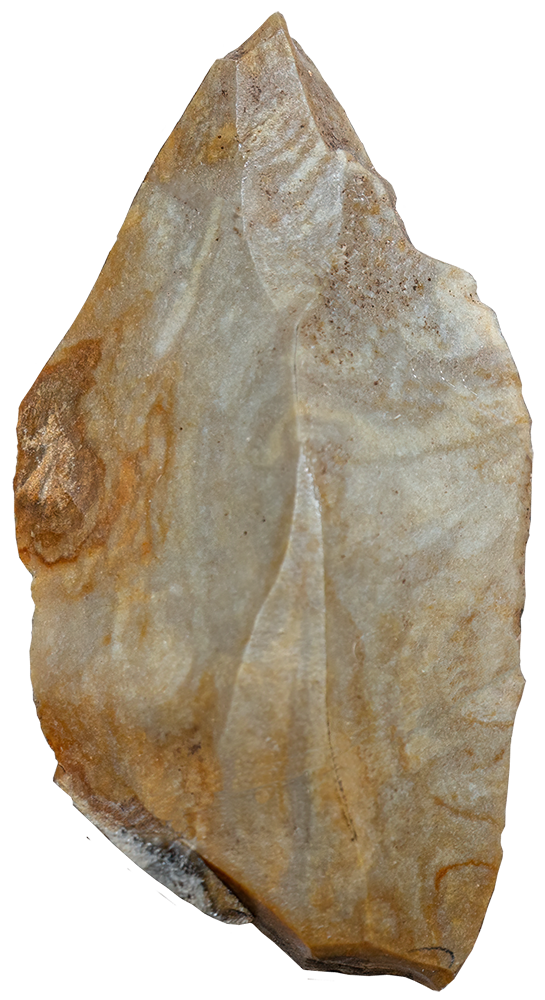
Hall 2. Late Paleolithic (40.000 – 11.000 years ago)
The description of the exhibit will appear soon
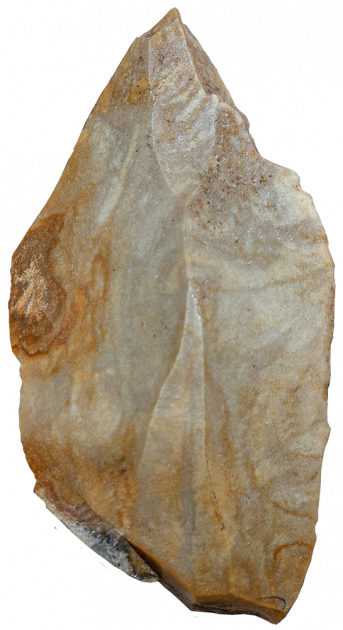
The description of the exhibit will appear soon
Showcase 1
1
Stone age. The bronze age
2,5 million years ago - II century BC
Halls 1-4
Hall 2.
Late Paleolithic (40.000 – 11.000 years ago)
Material culture
Technology